I Don’t Want Recovery to Be My Whole LifeI Don’t Want Recovery to Be My Whole Life
One of the biggest things I hear from people who are trying to stop drinking, using drugs, gambling, or another addictive behavior is:
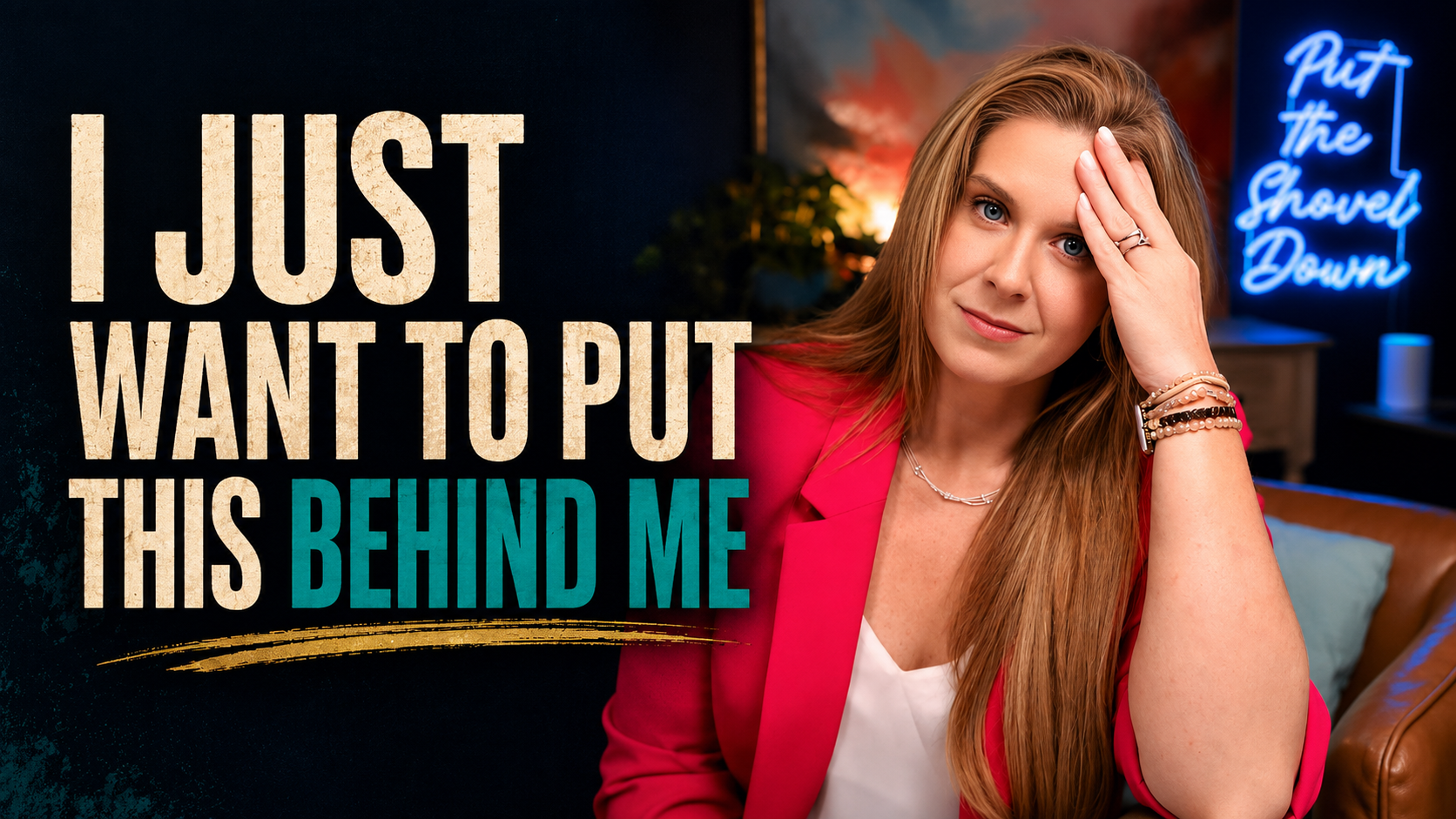
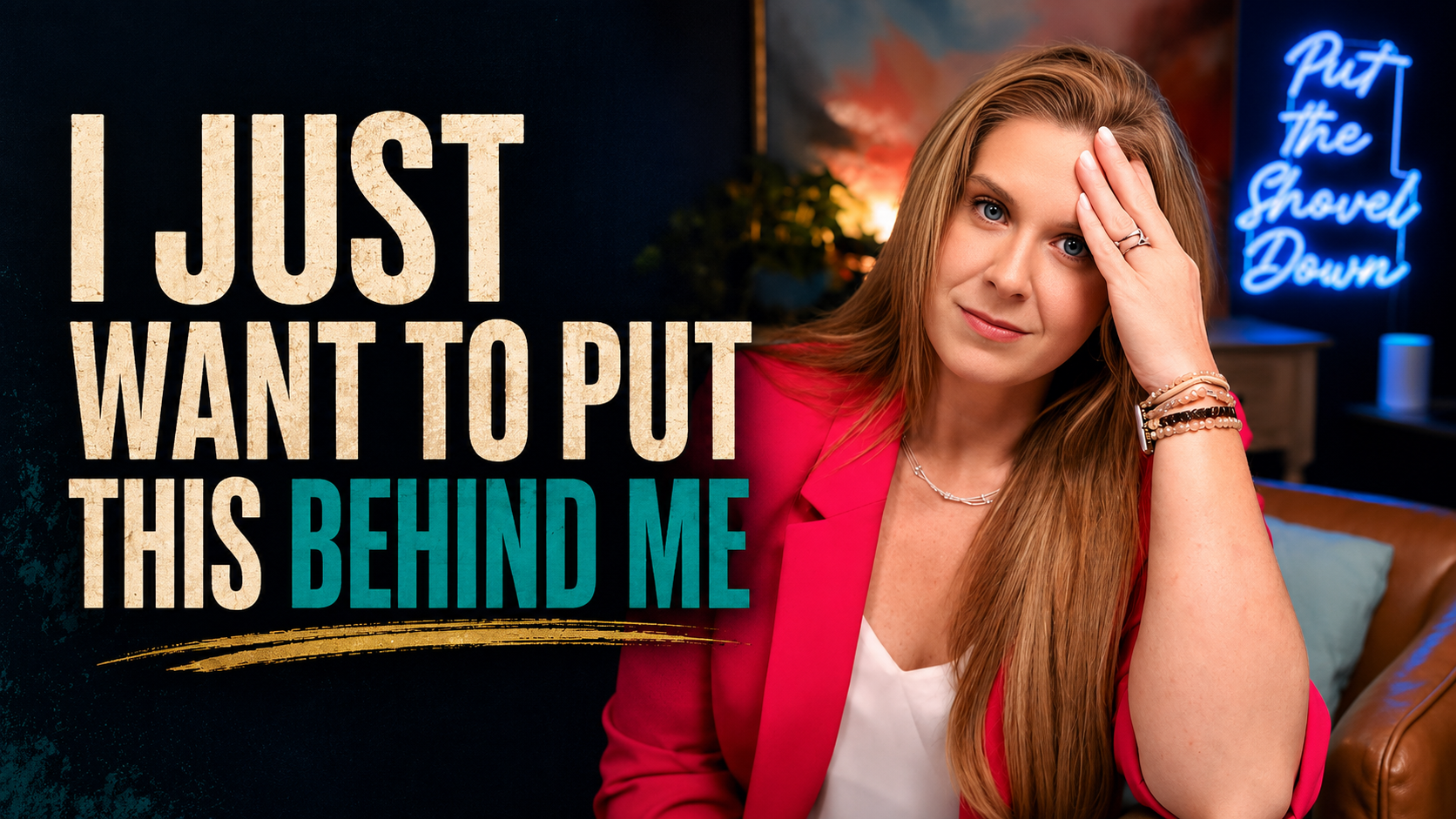
“I don’t want recovery to become my whole life.”
They picture going to meetings every day forever. Every conversation becomes about cravings, triggers, relapse prevention, accountability and how their sobriety is going.
Basically, they don’t want to spend the rest of their life being known as the person with the addiction.
And I get that.
The whole point of recovery is to get your life back. It’s not supposed to become another thing that consumes your entire life.
But there’s a difference between not wanting recovery to define you and trying to move past recovery before you’ve built enough stability to actually move forward.
Why You Might Be Ready to “Move On” Before Your Family Is
Sometimes when someone says, “I don’t want recovery to be my whole life,” what they really mean is:
I don’t want to talk about this anymore.
I don’t want people checking on me.
I don’t want my family questioning everything I do.
I’m tired of feeling like every mistake I’ve ever made is under a microscope.
That feeling makes sense. Especially if you know there’s so much more to you than your addiction.
Maybe you’re a good parent. You work hard. You’ve built a successful career. You’ve always been the person everyone depends on.
Then suddenly every conversation seems to come back to the drinking, drugs, lying, broken promises or whatever crisis finally brought everything out into the open.
That can feel suffocating.
But here’s the part that’s easy to miss:
You may be ready to stop talking about it before the people around you are ready to stop being affected by it.
Maybe you stopped drinking two weeks ago and you KNOW this time is different.
Meanwhile, your spouse or family is still trying to figure out what was true, what wasn’t, whether this change is going to last and whether it’s finally safe to relax.
Their questions might feel like punishment to you.
To them, those questions may be an attempt to feel safe again.
That doesn’t mean they should interrogate you forever. It also doesn’t mean every bad mood you have should turn into, “Are you using again?”
But rebuilding trust usually takes longer than stopping the behavior.
Do You Have to Go to Recovery Meetings Forever?
No single recovery plan works for everybody.
Some people genuinely love meetings. They find connection, accountability and people who understand exactly what they’re going through. They may continue going for years because it adds something valuable to their life.
Other people need a lot of structure in the beginning but not forever.
Depending on the person and situation, recovery support might involve meetings, residential treatment, sober living, medication, counseling, coaching, medical treatment or a strong recovery community.
So instead of asking:
“Do I have to do this forever?”
Try asking:
“What do I need to build a life I don’t constantly feel like I need to escape from?”
Because stopping the addictive behavior is only part of recovery.
You also have to figure out what that behavior was doing for you.
What happens when you’re angry?
Bored?
Lonely?
Ashamed?
Overwhelmed?
What do you do when you desperately want relief RIGHT NOW?
If alcohol, drugs, pornography, shopping, gambling or another behavior has been your main coping system, removing it doesn’t magically remove everything you were using it to cope with.
That’s the part that still needs some attention.
Recovery Should Eventually Feel More Like Living
Early recovery can require a lot of attention because you’re changing habits, routines and coping mechanisms.
But it shouldn’t require that same amount of energy forever.
Think about physical therapy after a serious injury.
You don’t want your injured knee to become your identity. You probably don’t want to talk about your knee for the next 20 years either.
But if you rush through rehab because you’re sick of dealing with it, you may never fully recover.
You do the concentrated work so you can get back to living.
Recovery works similarly.
In the beginning, you may need more support, more honest conversations and more deliberate choices.
Over time, those new patterns can become much more automatic.
Eventually, you should have plenty of other things to talk about.
Work. Parenting. Relationships. Travel. Hobbies. Fitness. Friends. Goals. Creativity. Whatever you want to build next.
Recovery becomes the foundation underneath your life instead of the only thing happening in it.
“I Stopped. Why Doesn’t My Family Trust Me Yet?”
This one can be really frustrating.
You’re thinking:
I admitted what happened.
I apologized.
I stopped.
I’m doing better.
Why are we STILL talking about this?
Sometimes your family really does need to learn how to stop making everything about the addiction.
If they spent years monitoring you, checking for signs, worrying about what might happen next and preparing for another crisis, they may not know how to turn that off immediately.
They may interpret every bad mood as a warning sign.
They may ask too many questions.
They may have trouble recognizing progress because they’re still bracing themselves for something bad to happen.
But there’s another side to this.
Sometimes the person in recovery is trying to shut down the conversation because rebuilding trust is uncomfortable.
Those are two different problems, and you need to know which one you’re dealing with.
It’s completely reasonable to tell your family:
“I want us to be able to talk honestly about how things are going. I just don’t want every interaction between us to turn into a conversation about addiction.”
Then give them something solid to build trust on.
The Fastest Way to Start Rebuilding Trust in Recovery
This part is actually pretty simple, although it’s not always easy.
Be consistent.
Follow through without having to be chased.
Tell the truth before you get caught.
And when something changes, say it.
For example, maybe you agreed to attend a meeting every day for six months. Three weeks in, you realize that plan isn’t working for you.
Have that conversation.
“I know I agreed to this, but I don’t think this is sustainable. Can we talk about what I can do instead?”
That may be uncomfortable.
But pretending you’re still going to meetings while secretly skipping them is going to destroy the trust you’re trying to rebuild.
The same thing goes for questions.
When your spouse asks something uncomfortable, try not to immediately hear it as an accusation.
If you get angry, dodgy or defensive every time they ask, it can hit their panic button. Now they’re even more suspicious, which makes you feel even more watched, and you both stay stuck in the cycle longer.
Stability, honesty and consistency give the people around you repeated experiences that say:
Okay. Maybe I really can relax a little.
That’s how trust starts coming back.
Not because you demanded it, but because they experienced it.
Your Addiction Does Not Have to Become Your Identity
You are not your addiction.
And you don’t have to make “recovering person” your entire identity either.
Recovery can be part of your story without being the only interesting thing about you.
In fact, good recovery should actually make your identity bigger.
You’re not just someone who stopped drinking.
Maybe you become someone who follows through.
Someone who tells the truth even when it’s uncomfortable.
Someone who knows how to ask for help without giving up their independence.
Someone who can handle difficult emotions without immediately needing an escape.
Someone who shows up in their relationships.
Someone whose behavior actually lines up with what they say matters to them.
That’s much bigger than simply being “the sober person.”
Instead of spending your entire life focused on what you’re trying not to do, start getting invested in what you’re trying to build.
So, When Can You Finally Put Addiction Behind You?
Putting addiction behind you doesn’t mean pretending it never happened.
It means learning enough from it that you don’t have to keep repeating it.
You understand what was driving the behavior.
You build better coping skills.
You create routines that actually work for your life.
You rebuild trust.
You become confident enough in your new patterns that the old ones stop running everything.
And yes, eventually recovery can take up a whole lot less space.
If you want a recovery program that focuses on your strengths, your values and building a life that actually fits you, check out our strengths-based recovery coaching program.
We focus on what’s already working in you and how to redirect your strengths, gifts and talents in a way that helps you feel good about the person you’re becoming. We work on coping skills, motivation, routines, identity and creating a practical recovery plan that fits your life and personality.
Because the goal isn’t to spend the rest of your life obsessing over addiction.
The goal is to build a life that feels worth protecting.
You don’t have to make recovery your whole life.
But you do have to give it enough attention now so addiction doesn’t keep demanding your attention later.
🆓 FREE Downloadable Resources: Get instant access to guides, checklists, and tools to support your recovery journey.
💡 Advanced Skills Membership for people with addicted loved ones. Learn advanced strategies to help your addicted loved one while protecting your own peace of mind. https://www.familyrecoveryacademy.online/hff-membership
🤖 Amber AI - Your On-Demand Recovery Coach: Get 24/7 access to personalized recovery coaching anytime, anywhere. https://www.familyrecoveryacademy.online/amber-ai
🙋🏻♀️ Join Our FREE Facebook Group for people with addicted loved ones: Connect with other families navigating addiction in our private community. https://www.facebook.com/groups/familyrecoverysupport
📆 Schedule a Consultation: Speak with one of our family recovery specialists to create a personalized plan. https://www.familyrecoveryacademy.online/consultations
🎯 Strength-Based Recovery Coaching with Amber: Work directly with me to break out of the addictive cycle using a personalized, strengths-based approach. https://www.familyrecoveryacademy.online/strengths-based-assessment