The Drinking Problem Everyone Misses
Why High-Functioning Alcoholism Is More Dangerous Than You Think
When most people picture alcoholism, they imagine someone whose life is falling apart.
They picture missed work, legal trouble, financial chaos, or obvious signs that alcohol has taken over.
But some of the most serious drinking problems don't look like that at all.
In fact, the person struggling with alcohol may still be going to work every day, paying the bills, coaching their kid's baseball team, and showing up to family events. From the outside, they look successful. Responsible. Functional.
And that's exactly what makes high-functioning alcoholism so dangerous.
The fact that someone is still holding everything together is often mistaken as proof that they don't have a problem. In reality, it can be one of the biggest reasons their addiction continues unchecked.
What Is a High-Functioning Alcoholic?
A high-functioning alcoholic is someone who meets many of their responsibilities while continuing to drink hea...
This Is How Drinking Quietly Slips Out of Control
You’re showing up.
You’re getting things done.
From the outside, your life looks completely under control.
So when the thought comes up, “Is my drinking a problem?” it’s easy to push it aside. After all, you haven’t lost your job. Your relationships are still intact. You’re not what most people picture when they think of someone with a drinking problem.
And that’s exactly why this conversation matters.
Because for a lot of people, drinking doesn’t start out as something that wrecks their life. It starts as something that fits into it. Something that even feels like it’s helping.
That’s what people mean when they say “functional.” And to be fair, that’s a real experience. You can absolutely be managing your responsibilities while also drinking more than you probably should.
But here’s the part most people don’t see clearly:
Functional isn’t a stable place. It’s a phase. A window that tends to close slowly, quietly, and usually without you realizing it until things feel harder t...
Living With a Problem Drinker? Watch This Before You Give Up
Why Nothing You Say About Addiction Is Working
You’ve had the conversation. Probably more than once.
You’ve shown the proof.
You’ve explained the impact.
You’ve begged, pleaded, maybe even given ultimatums.
And somehow… nothing changes.
If you’re sitting there thinking, how is this still not getting through?—you’re not alone.
But here’s the shift that changes everything:
Nothing has worked because you’ve been fighting the wrong battle.
The Strategy Most People Use (That Backfires)
Every approach you’ve tried likely has one goal:
👉 Get them to see the truth
👉 Get them to admit there’s a problem
👉 Get them to agree with you
It makes sense. It’s logical.
But addiction doesn’t operate on logic.
Why They’re Not Hearing You
When someone is in active addiction, their brain is functioning differently.
The part of the brain that processes consequences—the part that should say this is causing damage, something needs to change—is dialed way down.
So when you lay everything out...
What Addiction Really Does to a Marriage (No One Talks About This)
How Addiction Turns You Into the “Parent” in Your Relationship (And What to Do Instead)
Ever feel like you’ve stopped being a partner… and started being a parent?
If you’re in a relationship with someone struggling with addiction, you probably didn’t start out this way.
You weren’t checking their phone.
You weren’t counting drinks.
You weren’t rehearsing arguments in the shower.
So when did that version of you show up—and where did you go?
If this hits close to home, you’re not alone. And more importantly, there’s a reason this happens.
What Addiction Really Does to a Relationship
When people think about addiction, they focus on the person drinking or using.
But addiction doesn’t just impact one person—it reshapes the entire relationship.
It doesn’t happen overnight.
It happens in small, reasonable moments:
- They miss a payment → you take over finances
- They show up late → you start reminding them
- They drink too much → you try to control it next time
Each step makes ...
4 Things You Should KNOW About FUNCTIONAL ALCOHOLICS | A Compilation of Amber's Eye-opening Moments

The Hidden Chaos of Being a “Functional” Alcoholic: When Life Looks Fine on the Outside but Feels Like It’s Falling Apart
For most adults, life already takes everything you’ve got—balancing work, family, responsibilities, and relationships. But when alcohol (or any addiction) becomes another full-time obsession, things quietly start to unravel.
You find yourself constantly planning:
How am I going to get it? How am I going to use it without anyone knowing? How can I keep it under control this time?
It becomes a mental chess game—full of bargains and broken promises. You tell yourself you’ll only drink a certain amount, that you won’t let it get that bad again, that you’ll do better tomorrow. But deep down, you know how this story goes.
The Mental Tug-of-War
Even when you’re not drinking or using, you’re thinking about it. Life starts to feel like something you just get through in between drinks or hits. You’re checking boxes, showing up, functioning—but not present.
Maybe you ...
When Women Get Aggressive: The Hidden Danger of Alcohol-Fueled Violence
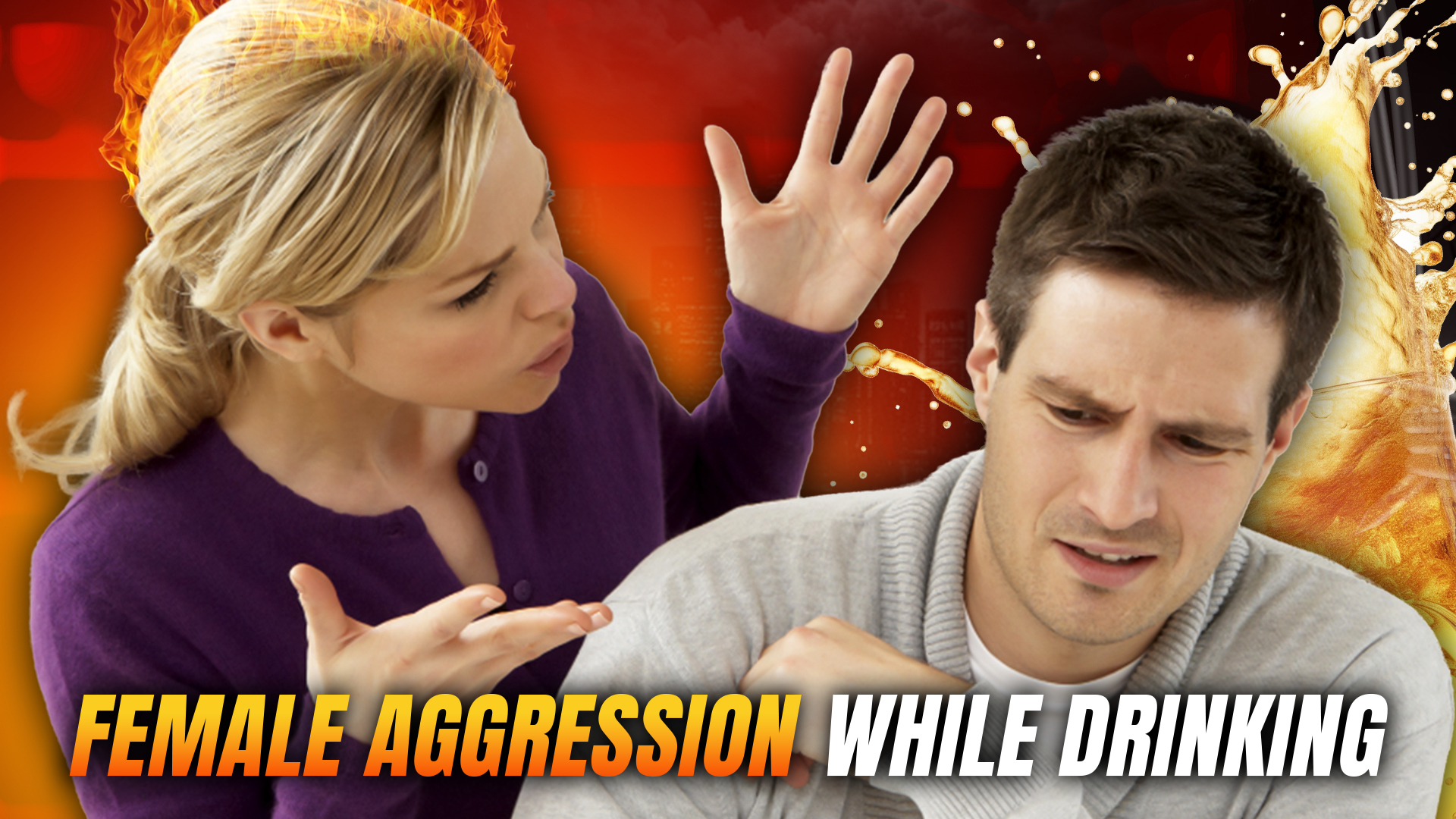
When we think about aggression and violence in relationships, the narrative often centers on men as the perpetrators. But what happens when the roles are reversed? Society tends to downplay or dismiss violent behavior from women, especially when alcohol is involved. This oversight can have devastating consequences, as seen in several recent high-profile cases.
The Cases That Demand Attention
- Courtney Clenney and Christian Obumseli
Courtney Clenney, an OnlyFans model, fatally stabbed her boyfriend, Christian Obumseli, in their Miami apartment. Reports revealed a history of volatile and aggressive behavior, often fueled by alcohol. Despite clear warning signs, her behavior was overlooked or excused until it escalated to tragedy. - Melissa Turner and Matthew Trussler
Melissa Turner, a cosplayer, was convicted of killing her boyfriend, Matthew Trussler, during a drunken argument. Evidence showed a pattern of aggression when she drank, but like many cases, it was brushed aside as “just t...
Caught in the Crossfire: Protecting and Supporting Kids with an Addicted Parent
A Tragic Wake-Up Call: Addiction, Denial, and the Hidden Dangers to Our Children
Last week, I came across a story that sent chills down my spine, and I haven’t been able to shake it since. As someone who works with families impacted by addiction every day, this one hit especially hard. Not just because of the heartbreaking outcome, but because it could easily happen to any family dealing with substance abuse behind closed doors.
I was driving home from work, listening to one of my favorite true crime creators, Stephanie Harlow. Her newest case was about a 2-year-old girl named Parker Chez, who tragically died after being left in a hot car on a day when temperatures soared above 100 degrees. That alone is gut-wrenching, but it’s the addiction component woven into the story that made it feel painfully familiar.
The Hidden Addiction Behind the Headlines
Parker’s father, Christopher, was the primary caregiver while the mother, Erica, a medical professional, was the main breadwinner. ...
The Crushing Reality of Being Married To An Alcoholic
