Why You're Both Exhausted and Nothing Is Getting Better
Why Conversations About Addiction Keep Failing (And What to Do Instead)
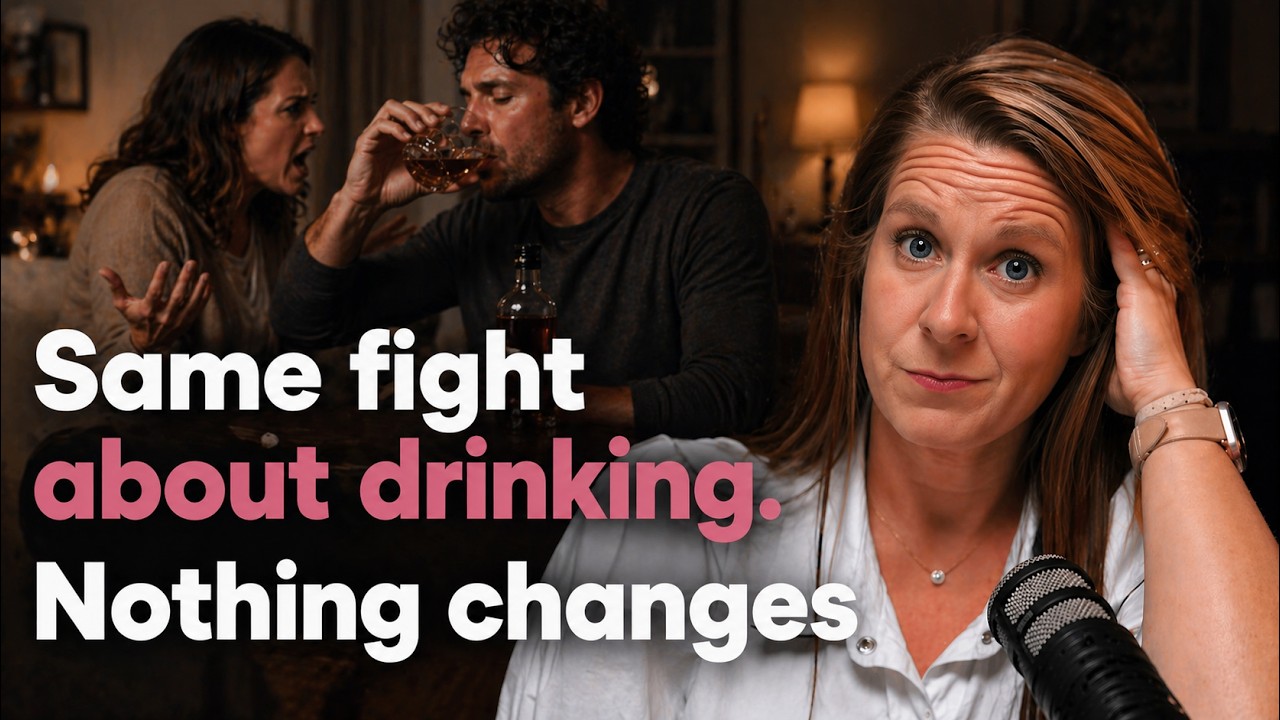
If you’ve ever tried to talk to someone you love about their drinking, their habits, or behavior that’s clearly hurting your family… you already know how it goes.
It starts with, “We need to talk.”
And somehow, it always ends the same way—frustration, defensiveness, maybe even tears. Nothing gets resolved, and both of you walk away feeling more alone than before.
So what’s really going on here?
Let’s break it down.
The Family Dynamic Nobody Talks About
Families are built to protect each other. When something threatens that—especially from within—the instinct is to pull together and fix it.
But when addiction or unhealthy coping habits enter the picture, that instinct can actually backfire.
One person pushes.
The other pulls away.
And just like that, you’re stuck in a cycle.
This isn’t because either of you are doing something wrong on purpose. It’s because both sides are reacting from a place of fear, stress, and survival.
Why “Just Talk to Them” Doesn’t Work
Most advice sounds simple:
- Be honest
- Set boundaries
- Tell them how you feel
But here’s the problem—those approaches often trigger the exact opposite of what you want.
When someone feels confronted, they don’t suddenly gain clarity.
They get defensive.
They minimize.
They rationalize.
They shut down.
And the more pressure they feel, the more they cling to the very behavior you’re trying to change.
What’s Really Happening Under the Surface
Let’s look at both sides.
The Person Struggling
They’re usually carrying something deeper—stress, shame, overwhelm, or pain they don’t fully understand.
Whatever habit they’ve developed? It works.
It numbs. It helps. It gives relief.
So when you push them to stop, it doesn’t feel like help.
It feels like losing the only thing that’s holding them together.
The Family Member
You’re not nagging because you want control.
You’re scared.
You’re watching someone you love change, and you’re doing everything you can to hold your family together.
But here’s the hard truth:
The harder you push… the more they pull away.
The Myth That Keeps Families Stuck
“You can’t help someone who doesn’t want help.”
You’ve probably heard that before.
And while there’s some truth in it, it’s also incomplete—and honestly, a little damaging.
Because it makes you feel powerless.
The reality?
You can’t control someone’s choices.
But you can influence the environment that shapes those choices.
The Real Shift That Changes Everything
If you want a different outcome, the dynamic has to change first.
Not the behavior.
Not the drinking.
The dynamic.
That means shifting from:
- Trying to convince → Trying to understand
- Pushing harder → Responding strategically
- Talking at them → Getting curious about their perspective
Why?
Because people don’t change because of your feelings.
How to Open the Door to Real Change
When the pressure drops, something powerful happens.
Defensiveness softens.
Walls start to come down.
Real conversations become possible.
Instead of forcing change, you’re creating space for them to recognize it themselves.
And that’s where real motivation comes from.
You Don’t Have to Just Sit Back and Wait
A lot of people think the only option is to detach and hope things improve.
And yes—detaching with love is important.
But it’s not the whole picture.
There are ways to influence the situation in a healthier, more effective direction—without pushing, threatening, or escalating conflict.
It’s not about control.
It’s about strategy.
Final Thoughts
If your conversations keep going in circles, it’s not because you don’t care enough.
It’s because the pattern you’re stuck in is stronger than the words you’re using.
But patterns can change.
And when they do, everything else can start to shift, too.
ADDITIONAL RESOURCES
🚨 Struggling with a partner in denial about their drinking? 🚨 Join my 5-Day Challenge: Motivation Unlocked and learn how to break through their denial and spark real change.
💡 👉 Sign up here: https://www.familyrecoveryacademy.online/motivation-unlocked-challenge