The Problem With Therapy When Your Relationship is Broken
Should You Go to Couples Therapy? The Truth No One Talks About
Pretty much anytime someone has a relationship problem, the advice is always the same.
"You should go to therapy."
It doesn't matter who you ask.
Your mom.
Your best friend.
Your coworker.
The internet.
Everybody seems to agree that's the obvious next step.
So it might surprise you to hear me say this, especially as a therapist who's spent more than 20 years helping people work through relationship problems:
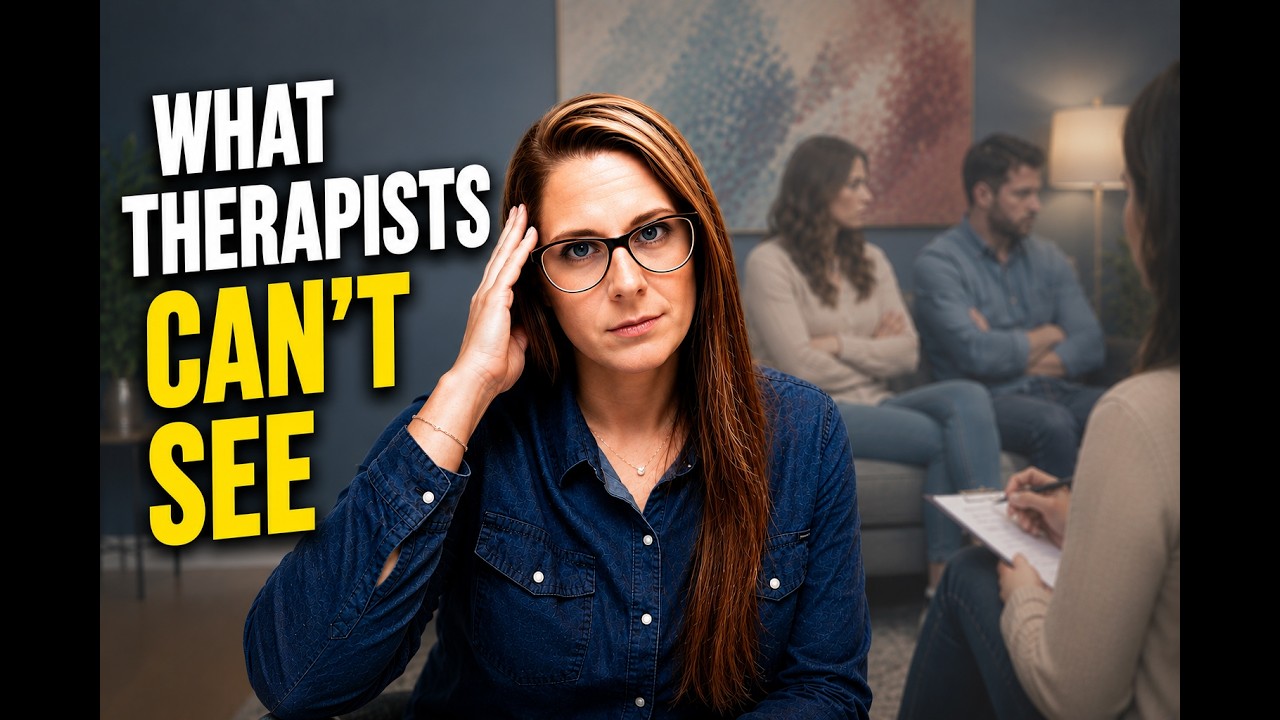
Couples therapy isn't always the best place to start.
Now before you panic and think I'm anti-therapy, let me stop you right there.
I'm not saying therapy is bad.
I'm saying there are some blind spots that almost nobody talks about. And if you don't understand those blind spots, you can spend months—or even years—doing everything you think you're supposed to do while the relationship stays exactly where it is.
Sometimes it even gets worse.
Let's talk about why.
Why Couples Counseling Doesn't Always Work
On paper, couples counseling makes perfect sense.
You've got two people who can't seem to communicate.
Bring in an objective third party.
Learn better communication skills.
Problem solved.
Except that's rarely what actually happens.
Most people don't walk into couples counseling thinking,
"I wonder what I need to work on."
Whether they realize it or not, they're usually hoping for something very different.
They're hoping the therapist will finally explain to their partner why they've been right all along.
That doesn't make you a bad person.
It makes you frustrated.
You've probably been trying to get your point across for months—or years—and nothing seems to land. So naturally, having someone with credentials back you up sounds pretty appealing.
But here's where things get complicated.
Nobody Is Saying What They Really Think
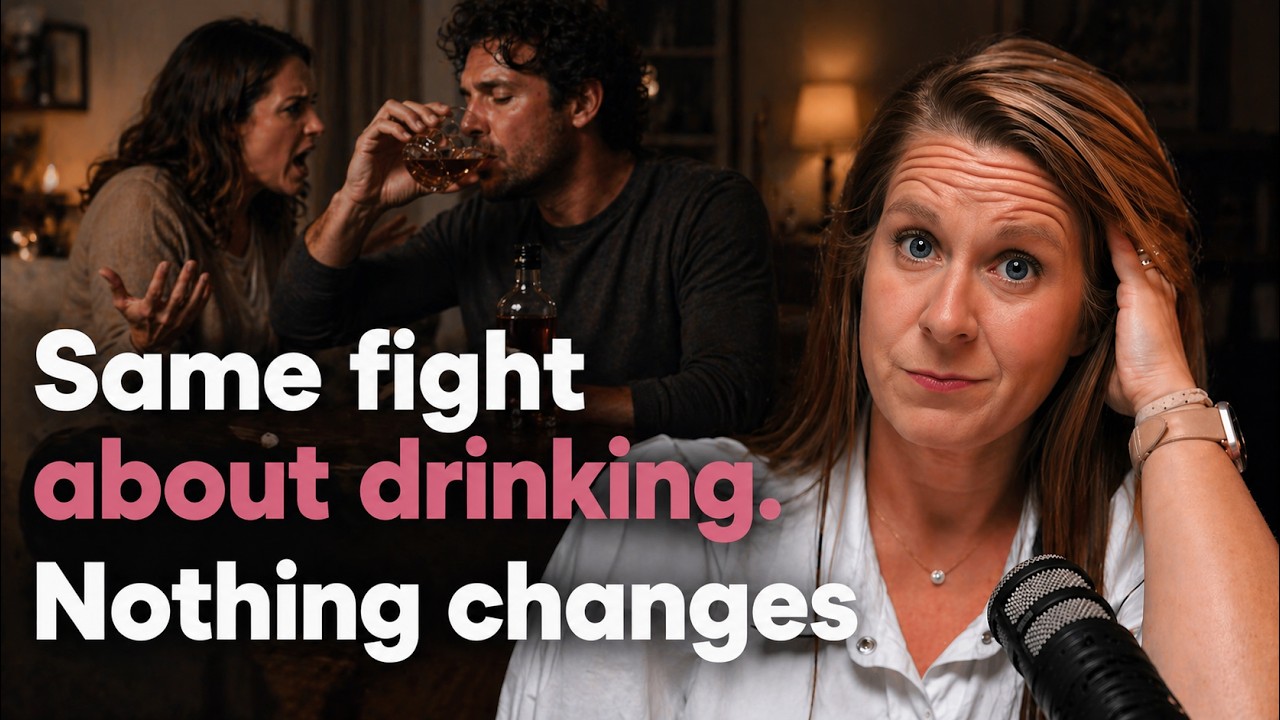
When your partner is sitting three feet away from you, it's surprisingly hard to be completely honest.
You don't want to start another fight.
You don't want the drive home to be miserable.
So you soften things.
You leave parts out.
You tell the edited version.
And honestly?
Therapists often end up doing something similar.
They're trying to keep both people engaged.
They're making sure nobody shuts down.
They're balancing emotions in the room.
Sometimes the hard truths that actually need to be addressed get wrapped in so much careful language that nobody really hears them.
The session stays peaceful.
The relationship stays stuck.
What If Your Partner Refuses Therapy?
This is where a lot of people find themselves.
You've asked.
They've said no.
Maybe they don't believe in counseling.
Maybe they tried it years ago and hated it.
Maybe they simply refuse to talk about your relationship with anyone.
Now you're sitting alone in a therapist's office wondering whether individual therapy can actually fix a relationship problem.
The answer is...
Sometimes.
One person really can change the entire dynamic of a relationship.
When one person changes how they show up, the other person almost always responds differently.
But there's another blind spot here that deserves attention.
The Problem With Individual Therapy for Relationship Issues
If you're talking to a therapist alone, they're only hearing one side of the story.
That's not anyone's fault.
It's simply how therapy works.
I know because I've been on that side of the room.
Over the years, I'd sit with one client, hear their story, feel like I completely understood the relationship, and think I had some really solid advice.
Then I'd walk into our treatment team meeting and hear what another therapist learned from the other partner.
Suddenly the picture looked completely different.
Not because anyone was lying.
Because every single one of us has blind spots.
We leave out context.
We unintentionally minimize our own contribution.
We focus on the moments that hurt us most.
That's just human nature.
It's also why your therapist, your best friend, your sister, and your mom can all genuinely believe they're giving you good advice while only working with half the story.
And half the story usually leads to half-right answers.
Talking Isn't Always What Changes a Relationship
Here's something that surprises a lot of people.
Relationship problems usually aren't solved by talking about your feelings more.
They're solved by changing what you're doing.
That's a big difference.
Most couples spend years trying to explain themselves better.
If I could just find the right words...
If they would just understand where I'm coming from...
If they finally understood how hurt I am...
But the harder you push to be understood, the more defensive the other person often becomes.
That's why some conversations feel impossible before you've even finished your first sentence.
Try Curiosity Instead
The next time you find yourself having that same argument you've had a hundred times, I want you to try something that will probably feel completely backwards.
Don't focus on helping your partner understand you.
Focus on understanding them.
I know.
That sounds unfair.
Especially if you've spent years feeling unheard.
But this isn't about giving in.
It's about lowering defensiveness enough to finally understand what's actually driving the conflict.
Relationship researchers Drs. John and Julie Gottman have spent decades studying couples, and they've identified questions that help break through these gridlocked conversations.
Instead of making your point, try asking questions like:
-
What does this issue mean to you?
-
Does this connect to something from your past?
-
Why is this so important to you?
-
How does this situation make you feel?
-
If everything went exactly the way you wanted, what would that look like?
-
Does this touch something about your identity or who you believe yourself to be?
Notice what's missing.
You're not arguing.
You're not correcting them.
You're not building your next rebuttal while they're talking.
You're simply trying to understand.
That one shift can completely change the emotional tone of the conversation.
Your Energy Matters More Than Your Words
Here's another thing people often overlook.
Your partner is responding to your energy before they're responding to your words.
If you walk into the conversation already frustrated...
Already convinced it's going to end badly...
Already preparing your defense...
They'll feel it almost immediately.
Long before the conversation really begins.
That's why changing your energy often changes the conversation.
Not because you've become fake.
Because you've stopped showing up ready for battle.
You Don't Have to Wait for Your Partner
One of the biggest myths about relationships is that nothing can improve until both people are willing to work on it.
That's simply not true.
You can start changing the dynamic today.
You don't have to wait until they agree to counseling.
You don't have to wait until they're finally "ready."
You can change the way you approach conflict, the energy you bring into conversations, and the questions you ask.
When you do, you'll learn something incredibly valuable.
Either the relationship begins to shift...
Or you'll gain clarity that you've been missing all along.
Either outcome moves you forward.
If Your Relationship Feels Stuck
If you feel like you're having the same conversation over and over again, don't assume the only answer is more talking.
Sometimes the breakthrough isn't finding better words.
It's changing the pattern.
That's exactly what we teach in our Relationship Challenge. We walk through the entire system step by step, so you can finally understand why your relationship keeps getting stuck, what you can change, and how to tell whether the relationship can actually heal.
Because the hardest place to live isn't in conflict.
It's in uncertainty.
Not knowing if things can change.
Not knowing whether you've tried everything.
Not knowing whether it's time to keep fighting—or let go.
You deserve clarity before you make one of the biggest decisions of your life.
Amber Hollingsworth
Watch this next: