They Cut Off Their Addicted Son—He Got Sober, Then Cut Them Off Forever
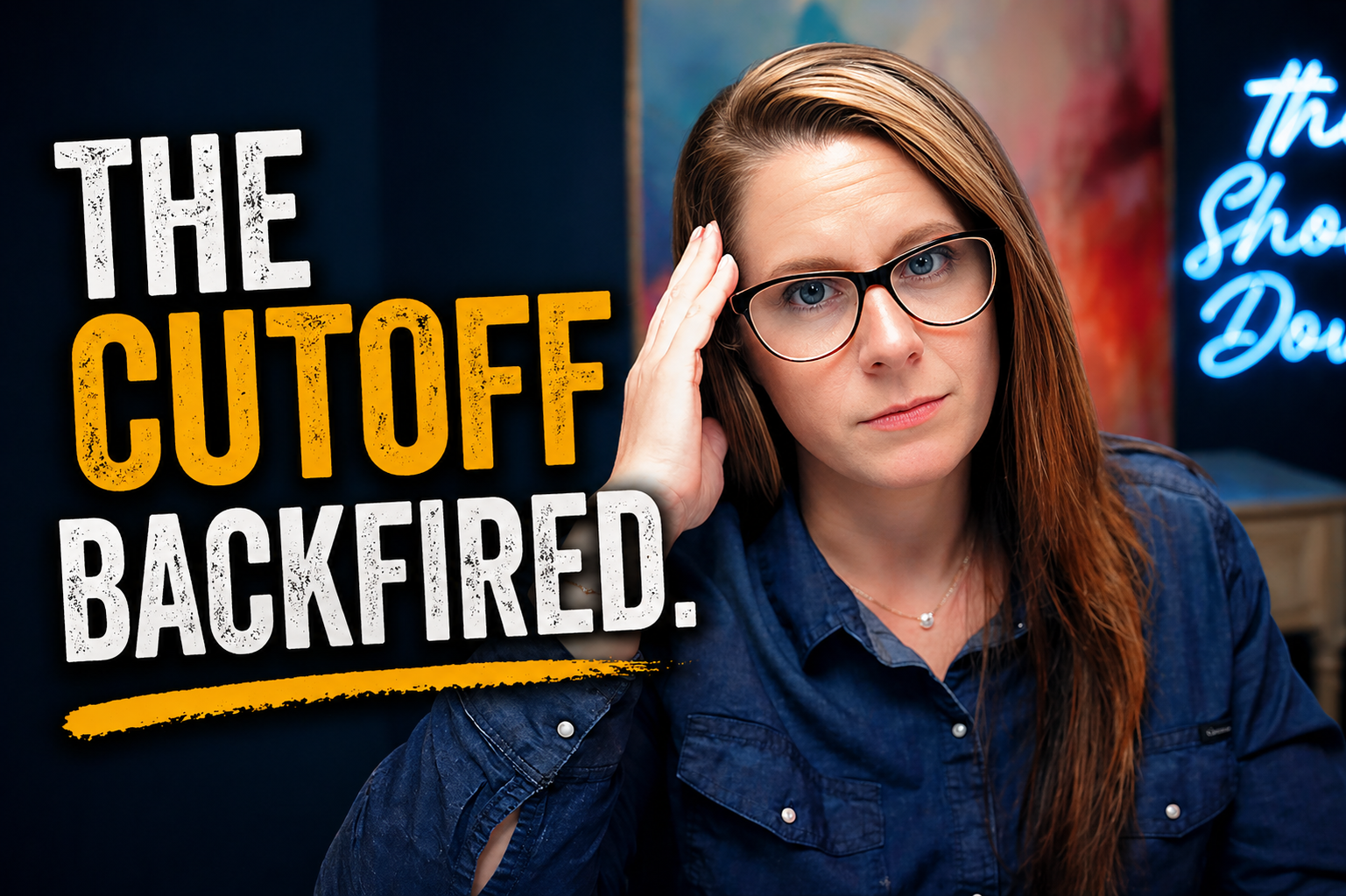
When Cutting Off an Addicted Loved One Isn’t About Them Anymore
There’s a question families ask every single day when addiction enters their lives:
“Should I cut them off?”
It sounds simple, but underneath that question is fear, guilt, exhaustion, anger, grief, hope, and sometimes desperation. Families are often told that “tough love” is the answer — that if they finally stop helping, stop answering calls, stop rescuing, their loved one will finally hit rock bottom and choose recovery.
But what if that’s not actually true?
What if cutting someone off isn’t a recovery strategy at all?
What if it’s something entirely different?
This conversation matters because families dealing with addiction are often carrying impossible emotional weight. They’re trying to protect themselves while also wondering whether every decision they make could either save or destroy someone they love.
The Truth About “Tough Love” and Addiction
The biggest misconception around addiction recovery is the idea that cutting someone off is what causes them to change.
Yes, discomfort can motivate change. Consequences matter. Enabling destructive behavior can absolutely keep addiction going.
But addiction recovery is rarely as simple as:
“If I stop helping them, they’ll finally get sober.”
In reality, addiction is deeply connected to shame, isolation, trauma, and attachment. When someone loses their primary support systems, the pain often intensifies — and substances become the fastest way to numb it.
That doesn’t mean boundaries are wrong.
It means the reason behind the boundary matters.
Cutting Someone Off: A Real Story About Addiction and Family Estrangement
One story shared online involved a man struggling with heroin addiction who stole electronics from his family to buy drugs. His family responded by putting him into treatment — but after rehab, they completely disowned him. No phone calls. No support. No pathway back. Extended family members were told they would also be cut off if they maintained contact with him.
He eventually rebuilt his life:
-
Got sober
-
Found stable work
-
Finished school
-
Married
-
Became a father
Years later, once his life looked stable again, family members suddenly wanted back in. They wanted a relationship with his child. But there was still one thing missing:
An apology.
This story highlights something families and people in recovery both struggle to understand:
Boundaries can protect people — but they can also permanently change relationships.
Sometimes families believe they are creating a temporary consequence when, emotionally, the other person experiences it as complete abandonment.
That distinction matters more than most people realize.
Addiction Boundaries vs Emotional Punishment
There’s a massive difference between:
-
Setting boundaries for your own safety and mental health
-
Trying to force someone into recovery through rejection
Healthy boundaries sound like:
-
“I won’t give you money.”
-
“You can’t live here while actively using.”
-
“I can’t continue being emotionally abused.”
-
“I need distance to protect my peace.”
Punishment sounds more like:
-
“Maybe losing everyone will finally teach them.”
-
“If they suffer enough, they’ll change.”
Those are not the same thing.
And confusing the two often leaves families carrying guilt for years.
When Going No Contact Is Necessary
Sometimes, distance truly is the healthiest option.
Another story involved a young woman whose father struggled with addiction and homelessness for years. She repeatedly tried to help him financially and emotionally, only to be met with manipulation, guilt trips, and emotional attacks. Eventually, she moved away and stopped responding.
That decision wasn’t about punishing him.
It was about survival.
This is one of the hardest realities for adult children of addicted parents to accept:
You are not responsible for parenting your parent.
You are not responsible for saving them from consequences they continue choosing.
And protecting your own mental health does not make you selfish.
Why Families Feel So Guilty About Boundaries
One of the most painful parts of addiction is that family members often feel trapped between two impossible choices:
-
Stay involved and become emotionally destroyed
-
Step back and feel overwhelming guilt
But boundaries are not cruelty.
Boundaries are information.
They communicate:
-
What you can tolerate
-
What you cannot survive
-
What access someone has to your life
And sometimes, boundaries are the only thing standing between a person and total emotional burnout.
Forgiveness Does Not Mean Access
This is the part people rarely say out loud.
Even after years of sobriety, healing, therapy, and personal growth, some family members may still choose not to reconnect.
Not because they are bitter.
Not because they haven’t forgiven.
But because they built a peaceful life without chaos in it.
That truth is deeply painful for people in recovery to hear, but it’s important.
Forgiveness and access are not the same thing.
Someone can:
-
Forgive you completely
-
Wish you healing and peace
-
Be genuinely happy you’re sober
…and still decide they do not want a close relationship.
Both things can exist at the same time.
What Recovery Really Means
Recovery cannot depend on whether other people reopen the door.
Sobriety has to become:
-
Your healing
-
Your growth
-
Your peace
-
Your future
Because if recovery only “counts” once everyone forgives you, you’ll always be emotionally dependent on outcomes you cannot control.
And for families?
Your job is not to engineer someone’s rock bottom.
Your job is to decide what you are willing — and not willing — to live with.
That’s it.
Final Thoughts on Addiction, Boundaries, and Family Healing
If you’re struggling with whether to cut off an addicted loved one, the most important question is not:
“Will this make them change?”
The real question is:
“What do I need in order to survive this?”
That answer may involve:
-
Boundaries
-
Distance
-
Structured support
-
Limited contact
-
Therapy
-
Or even complete no contact
But the healthiest decisions usually come from self-protection — not from trying to control someone else’s recovery journey.
And if you’re the person in recovery reading this:
Your healing still matters, even if some relationships never fully return.
Because recovery is still worth it.
No matter who comes back afterward.
Amber Hollingsworth
Why You're Both Exhausted, and Nothing Is Getting Better
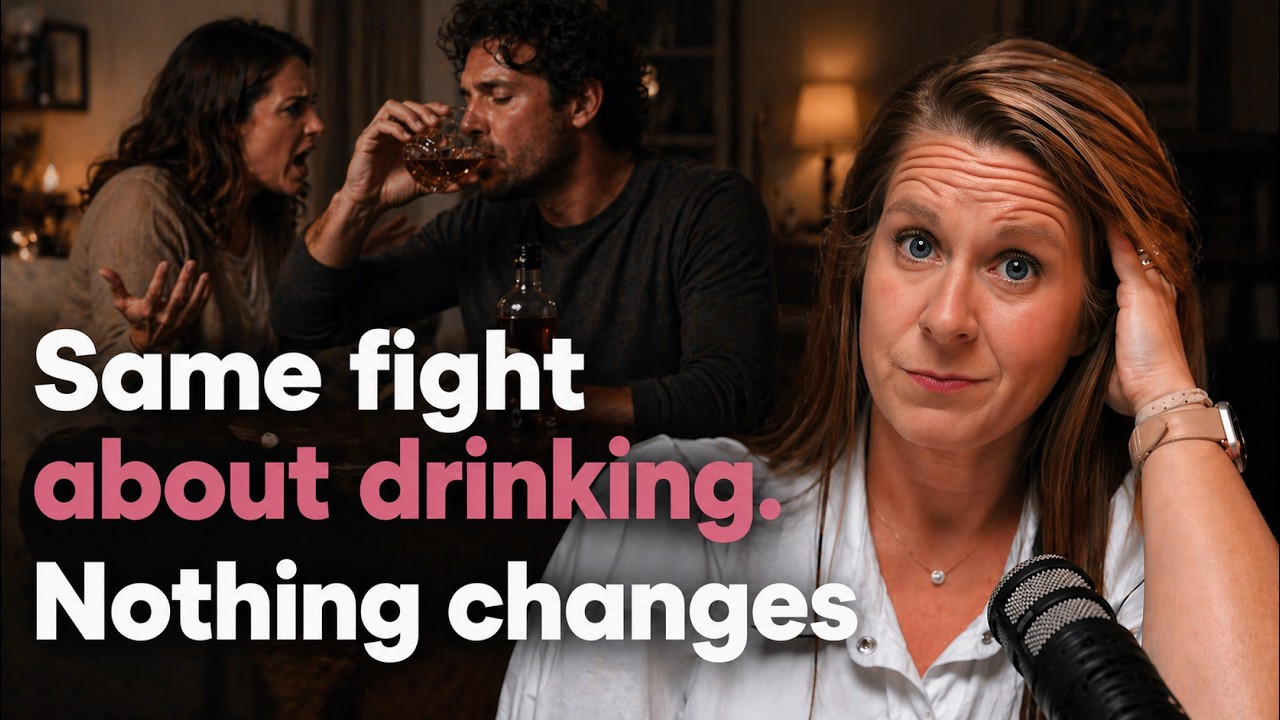
🚨 Struggling with a partner in denial about their drinking? 🚨 Join my 5-Day Challenge: Motivation Unlocked and learn how to break through their denial and spark real change. 💡 👉 Sign up here
🆓 FREE Downloadable Resources: Get instant access to guides, checklists, and tools to support your recovery journey.
💡 Advanced Skills Membership for people with addicted loved ones. Learn advanced strategies to help your addicted loved one while protecting your own peace of mind. https://www.familyrecoveryacademy.online/hff-membership
🤖 Amber AI - Your On-Demand Recovery Coach: Get 24/7 access to personalized recovery coaching anytime, anywhere. https://www.familyrecoveryacademy.online/amber-ai
🙋🏻♀️ Join Our FREE Facebook Group for people with addicted loved ones: Connect with other families navigating addiction in our private community. https://www.facebook.com/groups/familyrecoverysupport
📆 Schedule a Consultation: Speak with one of our family recovery specialists to create a personalized plan. https://www.familyrecoveryacademy.online/consultations
🎯 Strength-Based Recovery Coaching with Amber: Work directly with me to break out of the addictive cycle using a personalized, strengths-based approach. https://www.familyrecoveryacademy.online/strengths-based-assessment