This Is How Drinking Quietly Slips Out of Control
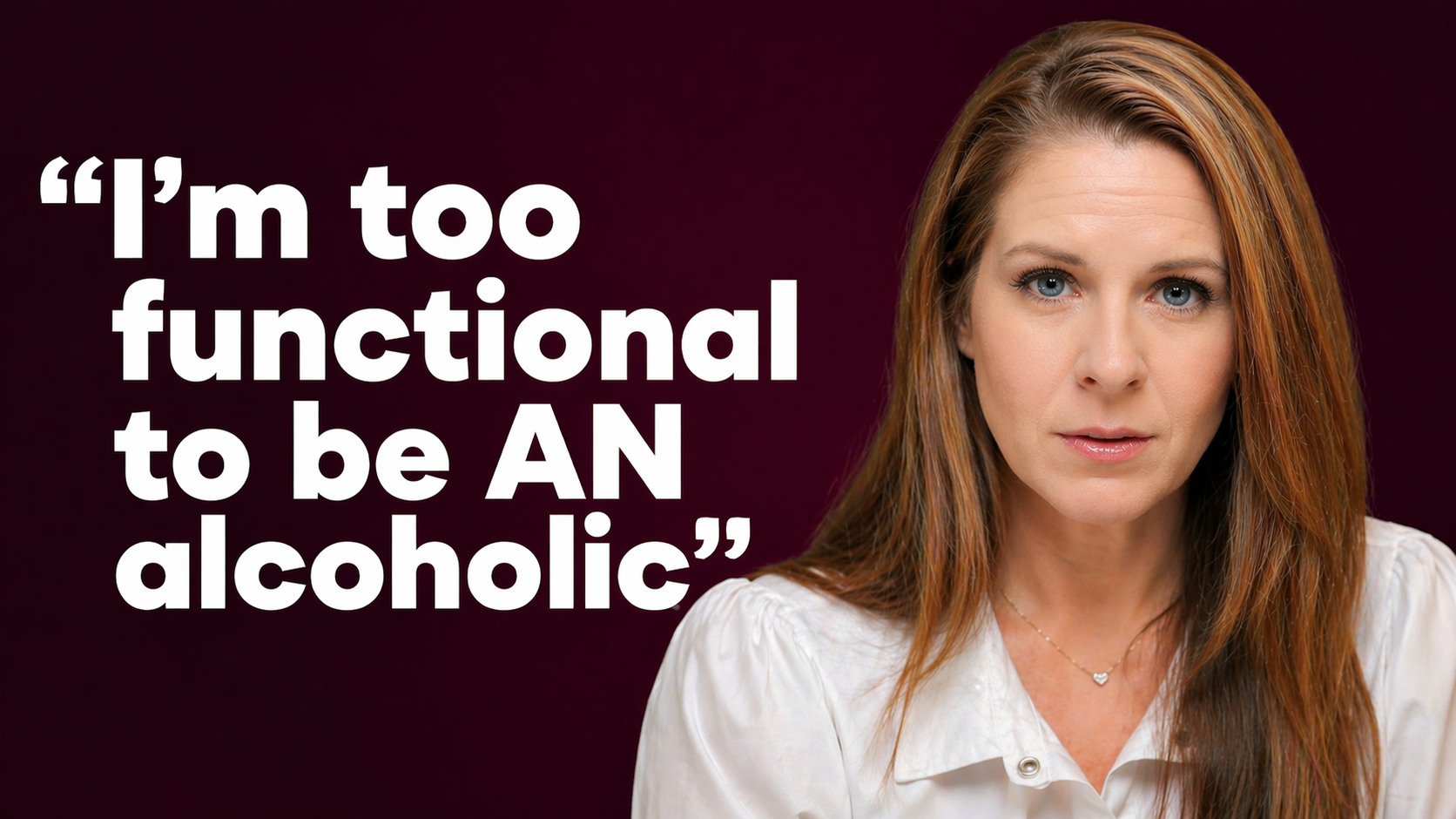
You’re showing up.
You’re getting things done.
From the outside, your life looks completely under control.
So when the thought comes up, “Is my drinking a problem?” it’s easy to push it aside. After all, you haven’t lost your job. Your relationships are still intact. You’re not what most people picture when they think of someone with a drinking problem.
And that’s exactly why this conversation matters.
Because for a lot of people, drinking doesn’t start out as something that wrecks their life. It starts as something that fits into it. Something that even feels like it’s helping.
That’s what people mean when they say “functional.” And to be fair, that’s a real experience. You can absolutely be managing your responsibilities while also drinking more than you probably should.
But here’s the part most people don’t see clearly:
Functional isn’t a stable place. It’s a phase. A window that tends to close slowly, quietly, and usually without you realizing it until things feel harder than they used to.
So instead of trying to label yourself or figure out if you “qualify” as having a problem, there’s a better question to ask:
Is my drinking still working for me?
Because when it starts to shift, it doesn’t usually look dramatic. It shows up in subtle ways that are easy to explain away if you’re not paying attention.
One of the first places it shows up is in how you experience enjoyment. Think about the last time you went somewhere that was supposed to be fun—a party, a dinner, a vacation. Now ask yourself honestly if alcohol played a role in that experience. Not just as something that made it better, but something that felt necessary. There’s a difference between preferring to drink and feeling like you wouldn’t enjoy it the same way without it. When your brain starts to treat alcohol as a requirement for having a good time, that shift matters more than most people realize.
It also starts to show up in how you handle stress. Drinking might not have been your go-to at first. Maybe it was something you did socially, or occasionally to unwind. But over time, it can quietly take over as your primary way of coping. A stressful day turns into a drink. Tension in a relationship turns into a drink. Anxiety about tomorrow turns into a drink tonight. None of those moments seems extreme on its own, but they add up. And what’s happening underneath is that your brain is learning to rely on one fast, consistent source of relief while everything else falls to the side.
That’s when your coping toolbox starts to shrink. Not because you don’t have other options, but because you’re not using them anymore. And like anything else, those skills weaken when they’re not used.
Then there’s the way drinking begins to organize your life. It’s subtle at first. Make sure you have enough at home. Planning your evening around when you’ll have your first drink. Thinking ahead about how much you’ll have before the night even starts. On the surface, it looks like routine. But when something interferes with that plan, your reaction can tell you a lot. If it’s more than mild annoyance—if it feels like agitation, anxiety, or something important has been taken away—that’s a sign the role alcohol is playing has changed.
You might also notice a shift in how you feel physically and emotionally before you drink. Maybe you feel more on edge, more irritable, or just not quite like yourself as the day goes on. And then, once you have a drink, that feeling fades. It can feel like you’re finally relaxing or getting back to normal. But in reality, your brain may have already adjusted to expect alcohol. That “relief” you feel isn’t just relaxation—it’s your system settling down after not getting what it’s gotten used to.
And finally, there’s the reaction you have when someone else brings it up.
Maybe it’s a comment, a joke, or even just a look. But if you notice yourself getting immediately defensive—feeling the need to explain, justify, or push back—that reaction is worth paying attention to. Not because it means something is definitely wrong, but because people don’t usually get that protective over things that don’t matter to them. That defensiveness often comes from a place deeper than logic. It’s your brain protecting something it has started to depend on.
If you saw yourself in any of this, it doesn’t mean everything is falling apart. It doesn’t mean you need to make a huge, life-altering decision today.
But it does mean something is shifting.
And the space between “this is fine” and “this is getting hard to manage” is a lot smaller than most people think.
The earlier you notice it, the more options you have. The more control you keep.
This isn’t about waiting for things to get bad enough to justify change. It’s about recognizing when something that used to work for you… quietly stopped working the same way.
And just being honest about that is a powerful place to start.
Amber Hollingsworth
Why You're Both Exhausted, and Nothing Is Getting Better
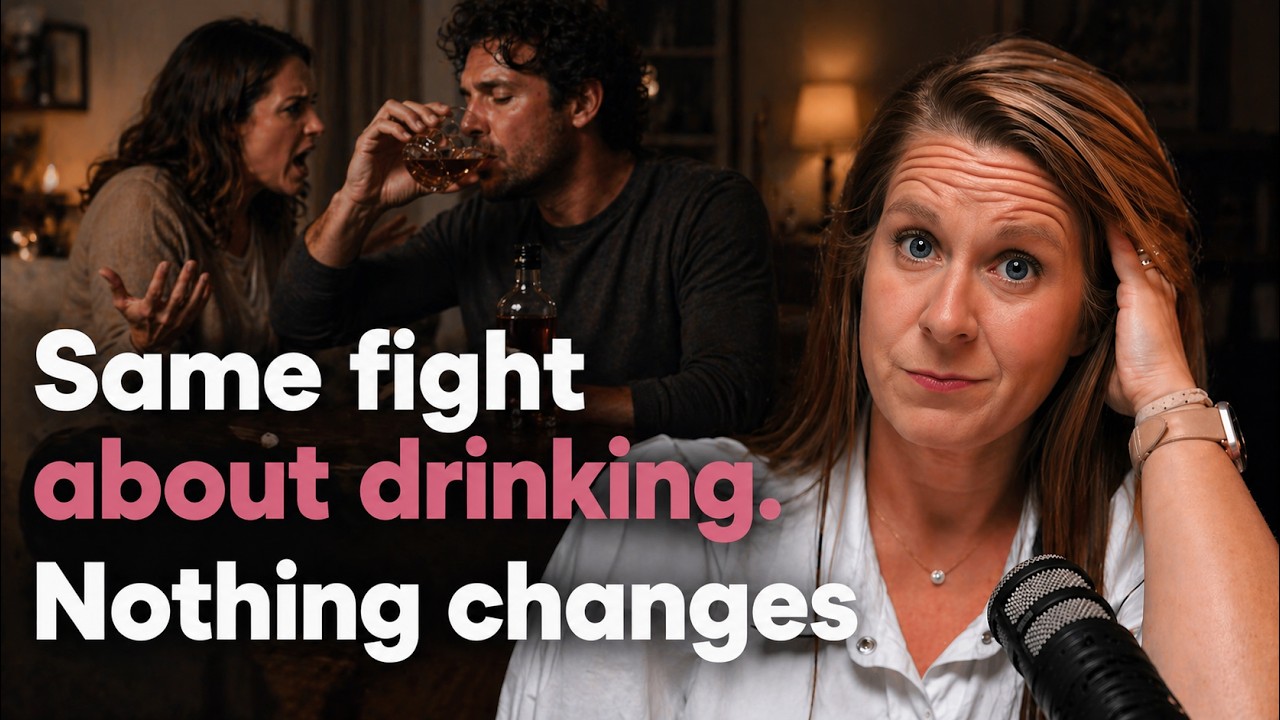
🚨 Struggling with a partner in denial about their drinking? 🚨 Join my 5-Day Challenge: Motivation Unlocked and learn how to break through their denial and spark real change. 💡 👉 Sign up here
🆓 FREE Downloadable Resources: Get instant access to guides, checklists, and tools to support your recovery journey.
💡 Advanced Skills Membership for people with addicted loved ones. Learn advanced strategies to help your addicted loved one while protecting your own peace of mind. https://www.familyrecoveryacademy.online/hff-membership
🤖 Amber AI - Your On-Demand Recovery Coach: Get 24/7 access to personalized recovery coaching anytime, anywhere. https://www.familyrecoveryacademy.online/amber-ai
🙋🏻♀️ Join Our FREE Facebook Group for people with addicted loved ones: Connect with other families navigating addiction in our private community. https://www.facebook.com/groups/familyrecoverysupport
📆 Schedule a Consultation: Speak with one of our family recovery specialists to create a personalized plan. https://www.familyrecoveryacademy.online/consultations
🎯 Strength-Based Recovery Coaching with Amber: Work directly with me to break out of the addictive cycle using a personalized, strengths-based approach. https://www.familyrecoveryacademy.online/strengths-based-assessment