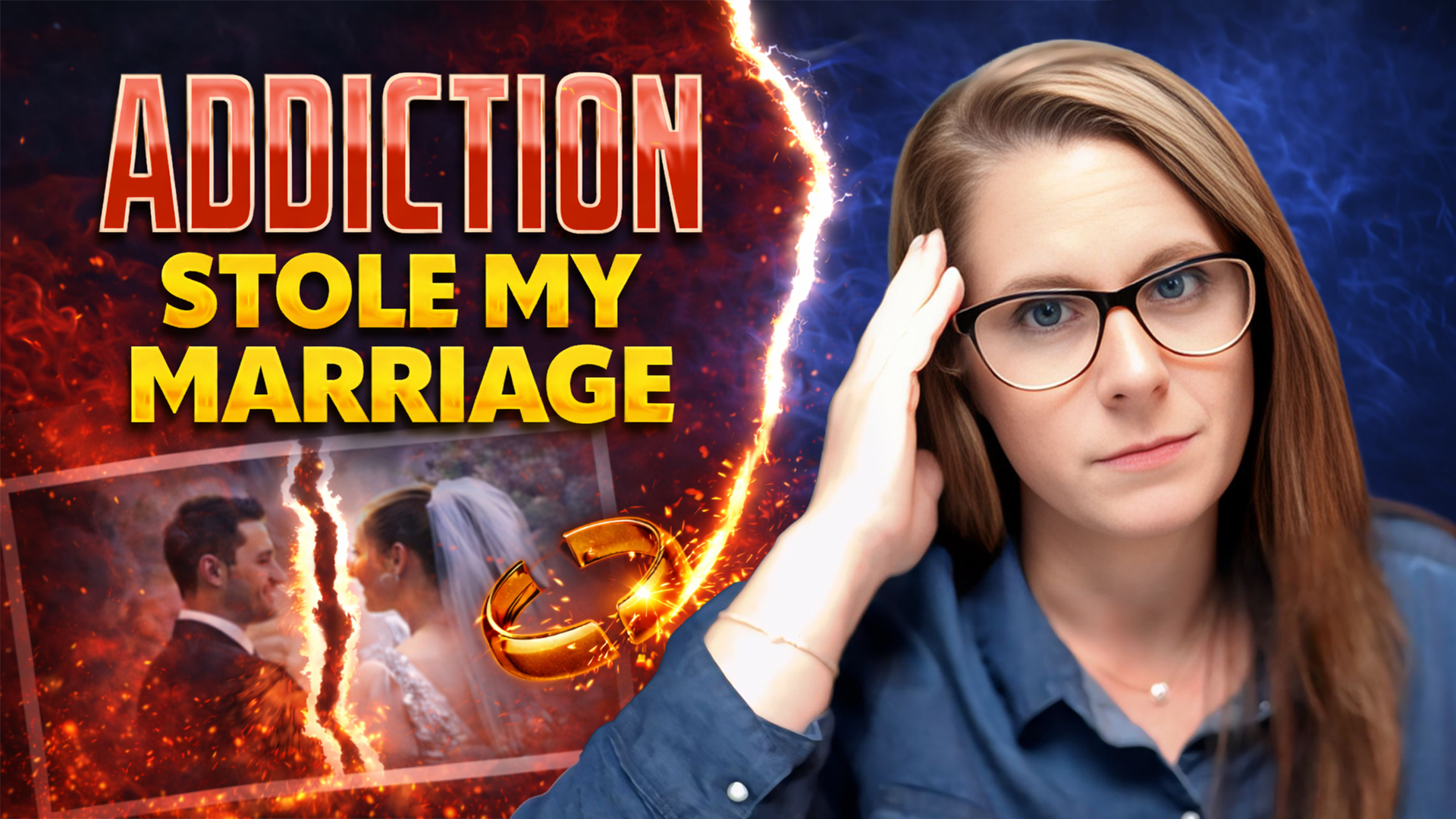
What Addiction Really Does to a Marriage (No One Talks About This)
How Addiction Turns You Into the “Parent” in Your Relationship (And What to Do Instead)
Ever feel like you’ve stopped being a partner… and started being a parent?
If you’re in a relationship with someone struggling with addiction, you probably didn’t start out this way.
You weren’t checking their phone.
You weren’t counting drinks.
You weren’t rehearsing arguments in the shower.
So when did that version of you show up—and where did you go?
If this hits close to home, you’re not alone. And more importantly, there’s a reason this happens.
What Addiction Really Does to a Relationship
When people think about addiction, they focus on the person drinking or using.
But addiction doesn’t just impact one person—it reshapes the entire relationship.
It doesn’t happen overnight.
It happens in small, reasonable moments:
- They miss a payment → you take over finances
- They show up late → you start reminding them
- They drink too much → you try to control it next time
Each step makes sense.
But over time, something shifts.
You stop being their partner… and you become their parent.
Signs You’ve Slipped Into the Parent Role
If you’re wondering whether this dynamic is happening in your relationship, here are some common signs:
1. Constant Nagging (Even Though You Hate It)
You find yourself repeating the same things:
- “Just go to bed earlier.”
- “Call your sponsor.”
- “Take care of yourself.”
You don’t want to sound like a broken record—but silence feels worse.
2. Criticism Becomes Your Default
You’re always scanning for signs:
- How they pour a drink
- How long they’ve been gone
- Whether something feels “off”
It comes out as criticism—not because you want to criticize, but because you don’t know what else to do.
3. You Start Making Rules
- “No drinking before 5”
- “Only on weekends”
- “Only beer”
They agree… for a few days.
Then everything goes right back to where it was.
4. Monitoring Becomes Normal
You’re:
- Checking bottles
- Smelling their breath
- Going through their phone
Things you never thought you’d do.
5. Covering for Them
You make excuses:
- To the kids
- To their boss
- To your friends
You carry the secret because telling the truth feels too overwhelming.
What This Dynamic Does to Your Marriage
This parent-child dynamic doesn’t just feel exhausting—it slowly breaks the relationship.
1. Intimacy Disappears
Not just physical intimacy—all of it.
- The friendship fades
- The connection weakens
- The “team” feeling disappears
Because it’s hard to feel close to someone you’re managing.
2. Resentment Builds on Both Sides
You feel:
- Exhausted
- Overwhelmed
- Alone
They feel:
- Controlled
- Criticized
- Defensive
And here’s the hard truth:
The more controlled they feel, the more they want to escape.
And addiction becomes that escape.
3. You Lose Yourself
Somewhere along the way:
- Your needs got pushed aside
- Your identity faded
- Your life became about managing theirs
And maybe now… you’re not even sure what you want anymore.
Why This Isn’t Your Fault
This part matters:
You didn’t become this person because something is wrong with you.
You became this person because:
- You love them
- You’re trying to hold everything together
- You were never given a roadmap for how to handle this
This is what addiction does—it pulls everyone into its orbit and reorganizes the entire relationship around it.
Why “Trying Harder” Isn’t Working
Most people respond the same way:
If it’s not working… try harder.
- More nagging
- More monitoring
- More rules
But more of the same behavior just leads to more of the same results.
What to Do Instead (This Is Where Things Shift)
Here’s the key:
The parent-child dynamic actually reduces your influence.
When someone feels parented, they:
- Shut down
- Get defensive
- Rebel
None of those lead to change.
But when you stop managing them—and start changing how you communicate—something shifts.
You become someone they:
- Talk to
- Open up to
- Stop hiding from
And that’s where real influence begins.
A Better Way to Break Through Denial
If you’ve been stuck in this cycle, the goal isn’t to:
- Control more
- Say more
- Push harder
It’s to communicate differently.
To:
- Bring things up without triggering defensiveness
- Have honest conversations that don’t blow up
- Influence change without power struggles
If you’re ready for that next step, here are some resources to help you go deeper:
👉 https://www.familyrecoveryacademy.online/beyond-boundaries-1
👉 https://www.familyrecoveryacademy.online/hff-membership
👉 https://www.familyrecoveryacademy.online/consultations
Final Thought
If you’ve been feeling like:
- You’ve lost yourself
- You don’t recognize who you’ve become
- Nothing you try is working
You’re not broken.
You’re responding to a situation that would stretch anyone.
And the good news?
Once you understand what’s happening, you can start changing it.