
Why They Won't Admit They Have a Problem
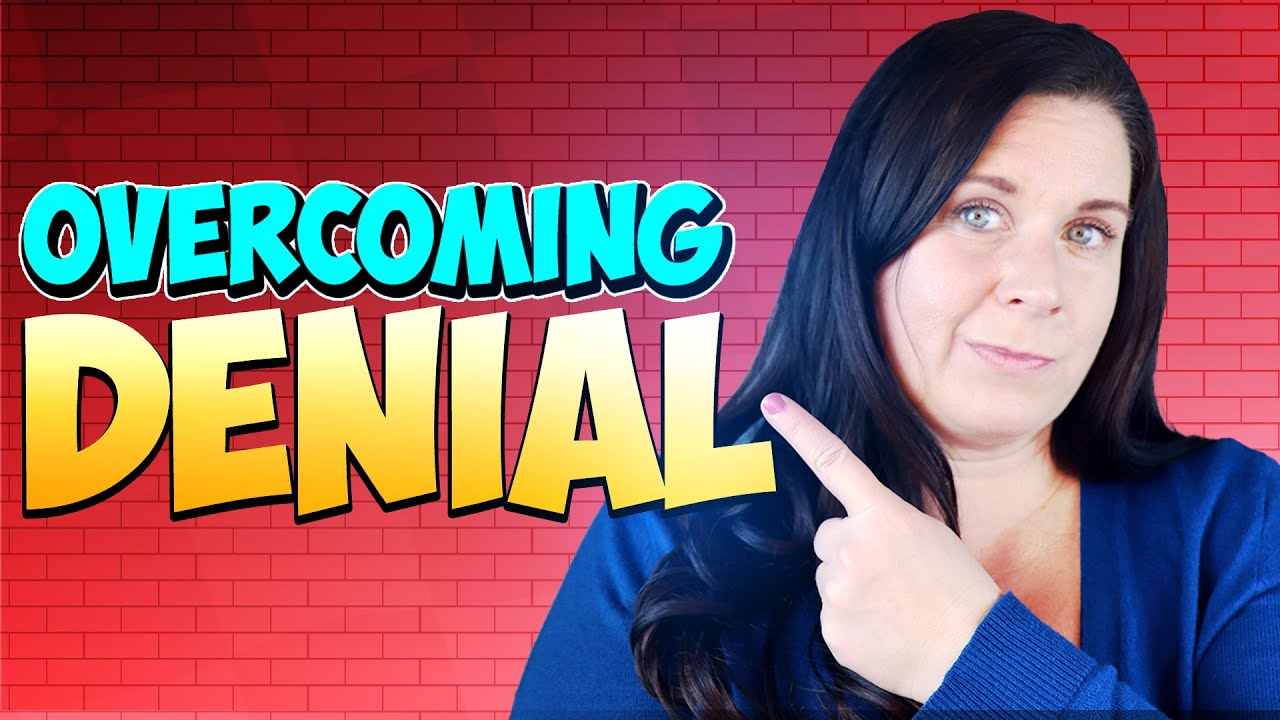
Functional Alcoholic Denial: Why They Say They’re “Fine” (and What Actually Breaks Through)
If you’re dealing with a functional alcoholic—a spouse, partner, adult child, or parent who “still goes to work” and “handles business”—you’ve probably had this same maddening thought:
How can they look you in the eye and act like nothing’s wrong?
Functional alcoholism comes with a very specific kind of denial, and it’s tougher to break through than most people realize. Not because you’re doing it wrong… but because two major roadblocks are working against you from the start.
In this post, we’re going to unpack:
-
Why denial is so strong with functional alcoholics
-
Why your reality and their reality don’t match (and never will without help)
-
Whether recording them “to show them” is a good idea
-
The most important key to creating real change—without it turning into a war
What is a functional alcoholic?
A functional alcoholic is someone whose drinking is causing harm—emotionally, relationally, mentally, sometimes physically—while they still appear “fine” on the outside.
They may:
-
Keep a job
-
Pay bills
-
Show up to events
-
Seems responsible to friends or coworkers
But behind closed doors, you’re seeing the impact first:
-
Mood swings, irritability, “grumpy” behavior
-
Mean or cutting comments
-
Denial, blame, defensiveness
-
Broken promises
-
The relationship is constantly orbiting alcohol
And that “double life” is exactly why denial becomes such a brick wall.
The double whammy: 2 big reasons functional alcoholic denial is so strong
1) They’re still functioning, so they feel like they don’t have a problem
When someone is holding it together in most areas of life, their brain grabs onto that as proof:
-
“I’m still working.”
-
“I’m still handling responsibilities.”
-
“I’m not like those alcoholics.”
And if the only person consistently upset is you (the spouse, partner, parent, etc.), it’s even easier for them to decide:
“My problem isn’t alcohol. My problem is you.”
In their mind, the conflict is the issue—not the substance use.
Also, if they developed alcoholism after they were already an adult and established (career, routine, responsibilities), work is often the last place it shows up. They can function at work for a long time… even while everything at home is slowly falling apart.
2) Alcohol denial is deeper because memory is unreliable
Alcohol is different from many addictions in this way: it can mess with memory. Sometimes they don’t remember at all. Other times, they kind of remember—but not accurately.
So when you describe what happened, they genuinely feel like:
-
You’re exaggerating
-
You’re being dramatic
-
You’re “overreacting.”
-
You’re trying to control them
Meanwhile, you’re thinking:
“How can you not see how bad this was?”
Because they don’t remember it as you do.
And that gap—the mismatch between their memory and your reality—feeds denial hard.
“Should I record them and show them?” Sometimes it helps… sometimes it explodes.
A lot of people consider recording a loved one while they’re drunk to prove what’s happening.
Here’s the truth: I’ve seen it work, and I’ve seen it backfire.
Before you do it, think about this one question:
Are they capable of humility when confronted?
Some people can see themselves and say:
-
“Wow… that’s awful.”
-
“I can’t believe I acted like that.”
-
“I need to change.”
But other people will respond with:
-
rage
-
shame
-
intense defensiveness
-
blaming you for recording
-
doubling down even deeper
If your loved one tends to:
-
dig their heels in
-
get highly defensive
-
flip the script and make you the villain
…recording might not create insight. It may just create war.
Why it gets worse over time (even if they “seem fine”)
Alcoholism often takes hold slowly. That’s part of what makes it so tricky. There may not be one dramatic rock-bottom moment.
Instead, it’s subtle:
-
more frequent mood shifts
-
more conflict
-
more disconnection
-
more “walking on eggshells.”
-
more denial
-
less accountability
The people closest to them see it first. You speak up first. And then—because the discomfort is coming from you—they feel attacked… and their denial strengthens.
The key that actually breaks denial: discomfort that isn’t “because of you.”
This part matters a lot:
One of the biggest factors in breaking denial is that they have to experience uncomfortableness that does not come from you and cannot be traced back to you.
Because if the consequences feel like they’re coming from you, even if you’re 100% right, they can always rationalize it as:
-
“You’re controlling.”
-
“You’re the problem.”
-
“You’re nagging.”
-
“You’re trying to make me feel bad.”
So the real goal becomes this:
Stop trying to convince them they have a big problem.
Instead, start creating conditions where life makes the case—not you.
You need their motivators (yes, they have them)
Even when someone is in denial, there’s usually a piece of them that wants change. They may hide it. They may bury it. They may protect themselves from facing it.
But it’s there.
Your job isn’t to “win the argument.”
Your job is to learn:
-
What they care about most
-
What they’re afraid of losing
-
What they’re protecting themselves from feeling
-
What “appealing” change could look like for them
Because let’s be honest—being told:
“You have a giant problem, and you need treatment.”
doesn’t feel appealing.
So if you’re trying to influence change, you’ll often need a different approach:
-
less direct battling
-
more strategic positioning
-
more clarity around boundaries and consequences
-
more focus on what motivates them internally
What to do next if you’re stuck in the cycle
If you’re dealing with functional alcoholic denial, here are a few next steps that tend to actually help:
-
Identify the patterns: When does drinking cause the most harm? What happens after?
-
Stop arguing about labels (“alcoholic” vs “not alcoholic”) and focus on impact.
-
Pick boundaries you can keep (not threats, not ultimatums you won’t follow through on).
-
Get support for YOU—because doing this alone will wear you down fast.
-
Learn their motivators and how to bring them forward without triggering a defensive wall.
Want help learning how to break through functional alcoholic denial?
If you’re trying to figure out:
-
How to identify their internal motivators
-
What hidden roadblocks keep them stuck
-
How to influence change without pushing them deeper into denial
…then click the link to learn more about how to help a functional alcoholic face the problem.
👇Additional Resources:
💡 Amber's 30-Day Jump Start for Early Recovery
🧠 Strengths-Based Recovery Coaching
🔐 Rapid Relationship Repair Course
📱 24/7 Advice from Amber AI
👨👩👧👦 Consult with a Family Coach